
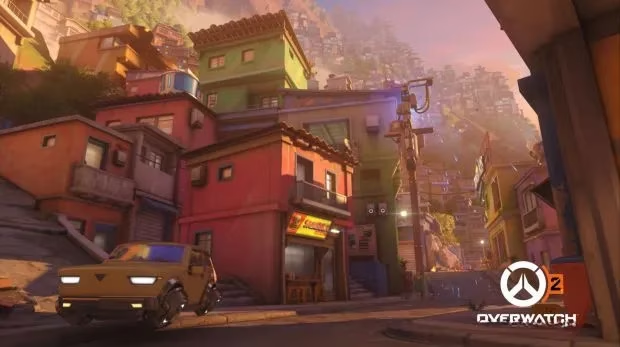
In a fascinating blend of gaming legacies, the development of Overwatch 2's upcoming Rio de Janeiro map is drawing direct inspiration from a beloved classic: the iconic Counter-Strike map, cs_rio. According to sources close to Blizzard's Senior Environment Artist, Thiago Klafke, the team is looking to the critically acclaimed 2001 map, which spawned imitators and even influenced CS:GO's own Favela, to shape the aesthetic and gameplay feel of this new Brazilian battleground. While the exact manifestations of this influence remain under wraps, this nod highlights Blizzard's continued practice of weaving homages to influential titles into its own expansive universes.
The connection to cs_rio is more than superficial. The classic map was renowned for its innovative destructible objects—a novelty at the time—alongside its dense urban layout featuring a central market square, restaurants with blind corners, and narrow alleyways perfect for creating strategic choke points. These are elements that align perfectly with Overwatch's own map design philosophy. While not all Overwatch arenas are created equal, each typically incorporates interactive and destructible elements, making the tribute a natural fit. The Rio map is expected to evolve these concepts within Overwatch 2's more dynamic and expansive environments.
A Map of Monumental Scale and Narrative Significance
Blizzard has indicated that the stages in Overwatch 2 are, on average, roughly twice the size of those in the original game. The Rio de Janeiro location is said to be truly massive, leading to speculation about its primary function. With standard PVP matches involving only 12 players, such a sprawling landscape could potentially lead to excessively lengthy chases, promote camping strategies, and detract from the fast-paced team combat the series is known for. This has sparked theories within the community: perhaps a scaled-down, more arena-focused version of Rio will be utilized for competitive Player versus Player modes, while the full, rich tapestry of the city is reserved for exploration in the game's story-driven PVE campaign.
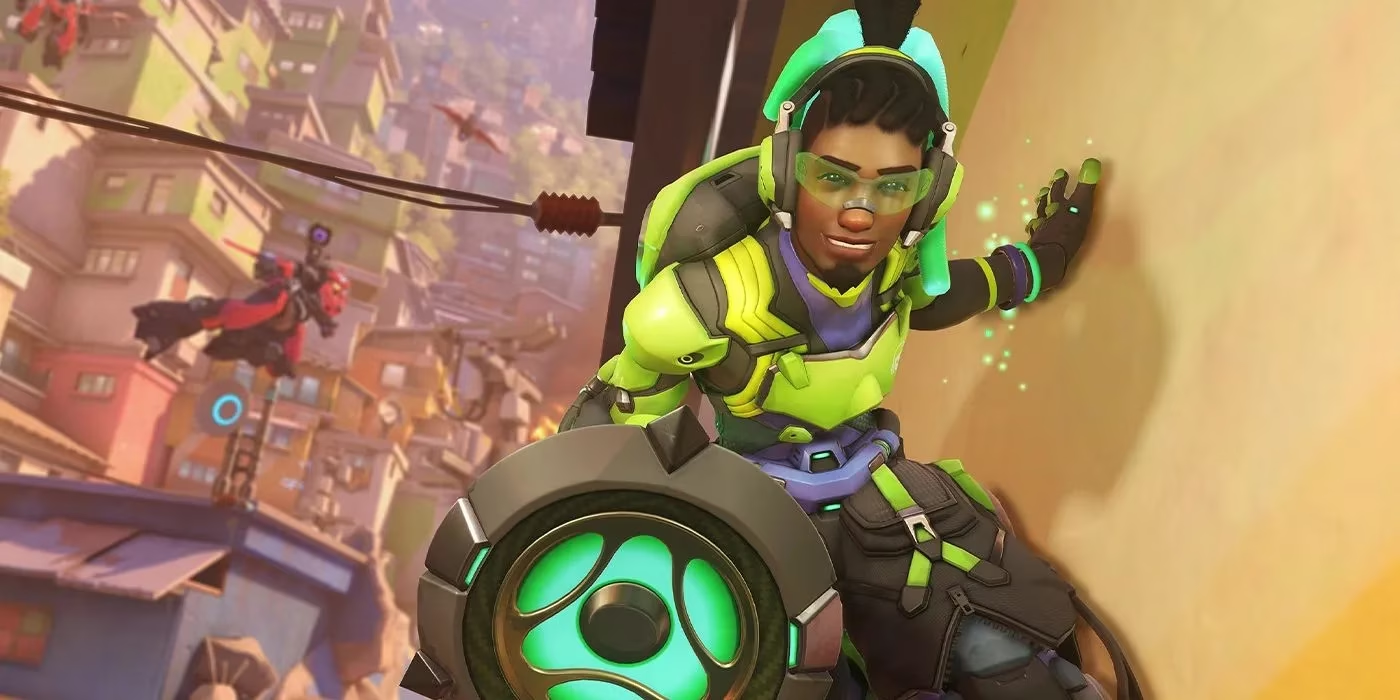
This narrative emphasis is a cornerstone of Overwatch 2's design. The game promises a lengthy, story-focused campaign where the new Rio map is expected to feature prominently. The location holds deep personal significance for the wall-riding, sound-blasting DJ, Lucio, who hails from Rio de Janeiro. A "Battle of Rio" story experience would undoubtedly hit close to home for his character arc, continuing a recurring series theme of heroes defending their homelands—a primary motivation for characters like D.Va and Zarya as well.
Blizzard's Tradition of Playful Homages
Paying respect to other influential games is a well-established tradition at Blizzard. Their titles are often peppered with clever references and easter eggs:
-
World of Warcraft is a treasure trove of pop culture nods, from quests referencing The Legend of Zelda to NPCs and items that wink at films like Ace Ventura: Pet Detective.
-
Hearthstone has consistently included cards and flavor text that reference other Blizzard games and beyond, such as a nod to Destiny's enigmatic alien merchant, Xûr.
Given this trend, it seems almost inevitable that the Rio de Janeiro map would extend some love to Counter-Strike, a titan in the tactical shooter genre that has undoubtedly influenced countless developers, including those at Blizzard. This move is seen not as imitation, but as a respectful acknowledgment of a map that helped define urban combat in video games.
Anticipation Builds for the Sequel's Arrival
With Blizzard having announced that Echo was the final new hero for the original Overwatch, fan anticipation for every detail about Overwatch 2 has reached a fever pitch. While all signs in 2026 still point to a release in the foreseeable future, the community eagerly awaits concrete details, including an official launch date and deeper dives into gameplay changes. The revelation about the Rio map's inspiration serves as a tantalizing piece of the puzzle, suggesting that Overwatch 2 will not only advance the franchise's own lore and mechanics but also do so while tipping its hat to the rich history of competitive shooters. The fusion of CS's tactical, environment-aware design with Overwatch's heroic, ability-driven chaos could result in one of the sequel's most memorable and strategically deep locations yet.