
As the esports world moves into 2026, the landscape for legendary teams continues to evolve, yet some stories of struggle echo through time. Remember the Ninjas in Pyjamas? The Swedish Counter-Strike institution once synonymous with dominance now finds its legacy tested in a very modern way. Back in 2019, they were on the precipice, fighting not for championships, but for their very place in the top tier of competition. How does a team celebrated as one of the world's best end up staring down the barrel of relegation to a semi-professional league? Their journey through the ESL Pro League's crucible offers a stark lesson in the volatility of competitive esports.
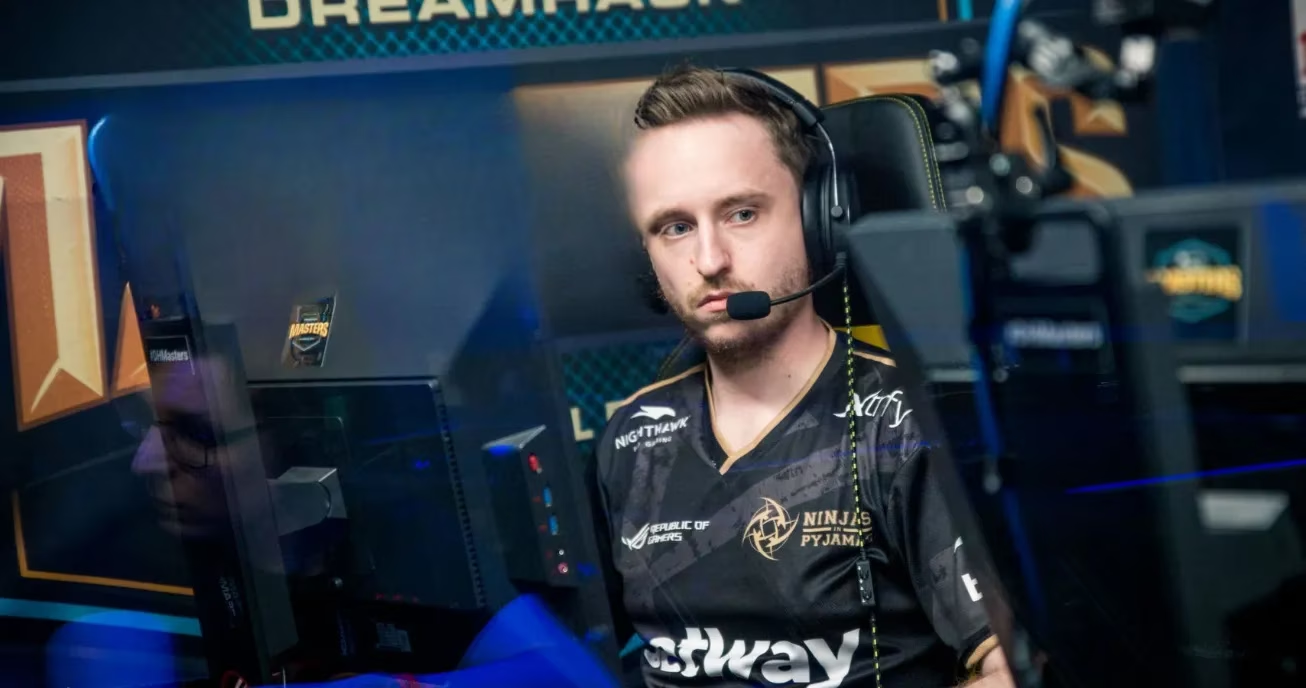
The trouble began with ESL Pro League Season 9. This was the first season under a new group stage format, and NiP, then ranked eighth globally, was placed in Group B alongside FaZe Clan, Heroic, and devils.one. Expectations were high for the Swedish squad. Yet, what followed was a stunning collapse. They managed a single victory over Heroic before succumbing to both devils.one and FaZe Clan. This last-place finish in their group had immediate and severe consequences: it ejected them from the main league and forced them into the ESL Pro League Pre-Relegation tournament just to save their spot for the next season. Isn't it remarkable how quickly fortunes can change at the highest level?
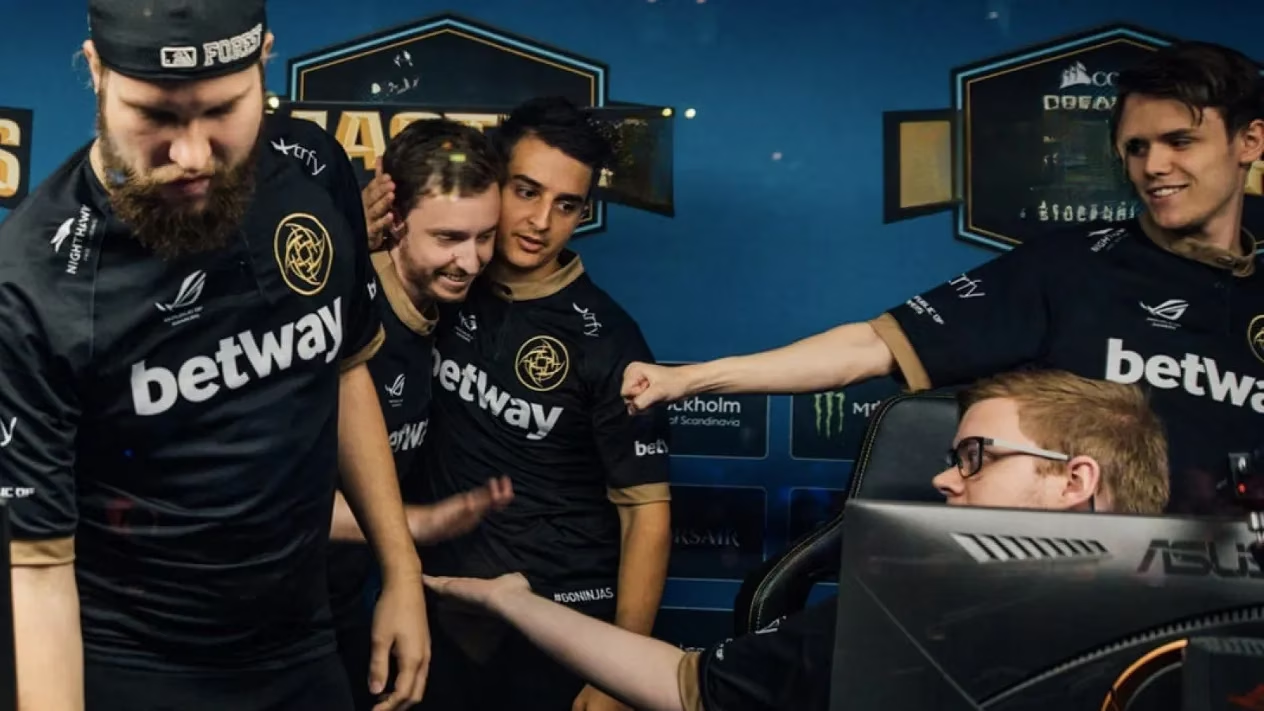
This Pre-Relegation tournament was a brutal, two-day online gauntlet. It featured the bottom teams from all four EPL groups, all battling for survival. The stakes were crystal clear:
-
1st Place: A guaranteed spot in ESL Pro League Season 10.
-
2nd & 3rd Place: Sent to the final EPL Relegation tournament for one last chance.
-
4th Place: Immediate relegation to the Mountain Dew League (MDL), the semi-pro feeder league.
Entering as the world's 11th-ranked team, NiP was heavily favored to secure one of the top spots and avoid further drama. But competitive Counter-Strike rarely follows scripts. The Ninjas suffered unexpected losses to lower-ranked opponents, failing to win the Pre-Relegation tournament outright. Their performance was only good enough for a second or third-place finish, condemning them to the final weekend's EPL Relegation tournament. Their fate now hung by a thread.
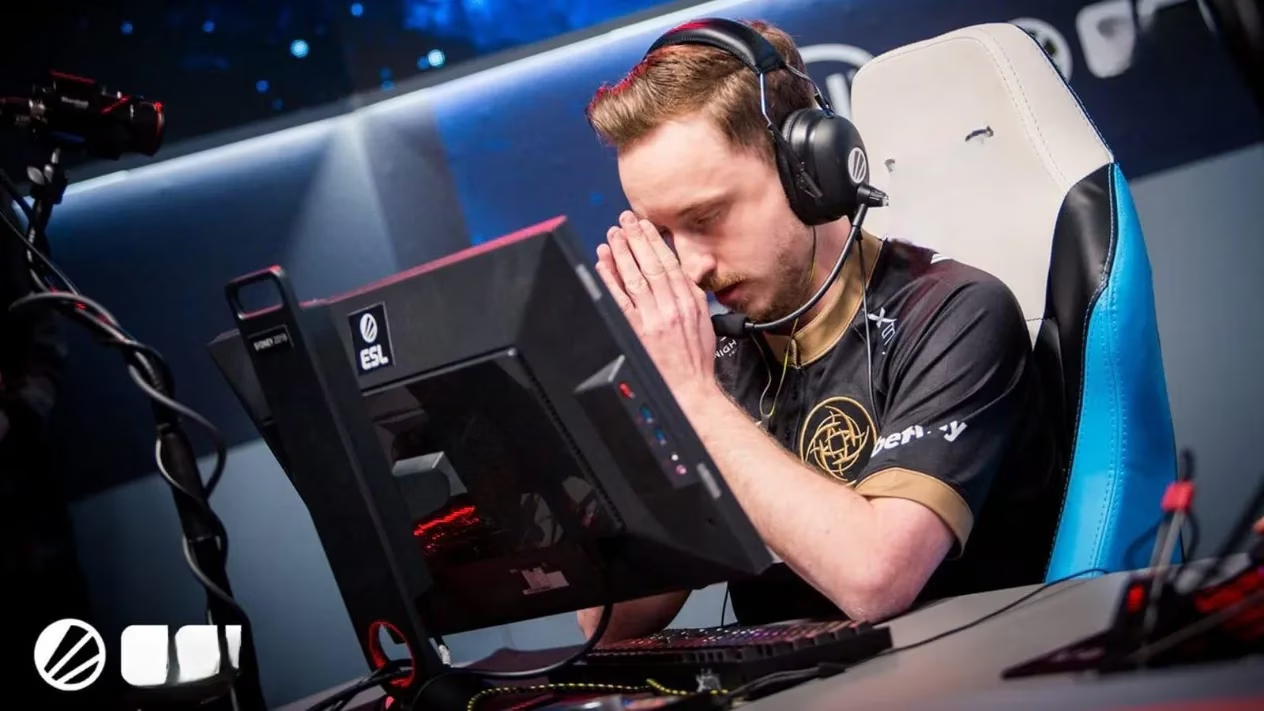
The final hurdle, the EPL Relegation tournament, presented a last-chance saloon. Here, NiP would face the other Pre-Relegation survivors plus two top teams from the previous MDL season. Only the top two finishers would earn the coveted spots in ESL Pro League Season 10. For NiP, anything less meant demotion to the MDL—a devastating blow for an organization of their stature. The pressure was immense. Could they claw their way back, or was this the end of an era for Ninjas in Pyjamas in the premier league?
Compounding the competitive pressure was significant roster instability, a theme still relevant for many teams today. The team had only recently integrated 17-year-old rookie Nicolas "Plopski" Gonzalez Zamora in June. Furthermore, the core of the team was in flux; longtime icon Christopher "GeT_RiGhT" Alesund was rumored to be departing after the upcoming StarLadder Berlin Major. To add to the chaos, they couldn't even field their intended lineup for that Major, having to play with Maikil "golden" Selim standing in for Plopski. How can a team be expected to perform under such systemic uncertainty, with one eye on a relegation battle and the other on a changing roster for a premier event?
The timeline was merciless. NiP had to fight for their ESL Pro League life over one weekend. Immediately after, with no time to rest, they were tasked with defending their prestigious "Legend" status at the StarLadder Berlin Major, one of Counter-Strike's most important tournaments. Success in the relegation tournament would mean their ESL Pro League Season 10 campaign would begin on October 8th. Failure would redefine the team's entire trajectory. This period represented a perfect storm of institutional crisis: competitive underperformance, roster transition, and the immense weight of history and expectation. It serves as a timeless case study on the challenges of maintaining elite status in a relentlessly evolving esports ecosystem.