
Back in October 2023, I remember staring at the IEM Sydney bracket and thinking, wow, this is really happening. It was the first Tier 1 Counter-Strike 2 tournament, and the game was still fresh out of the oven. Sixteen teams. A $250,000 prize pool. A week-long run from October 16 to 22. Grayhound Gaming carried the Local Hero invite, and the whole event felt like a stress test for CS2 as much as a competition. I was not in Sydney, but as a fan I was glued to the stream, waiting to see whether the new game would look esports-ready or slightly chaotic. Honestly, it was a bit of both.
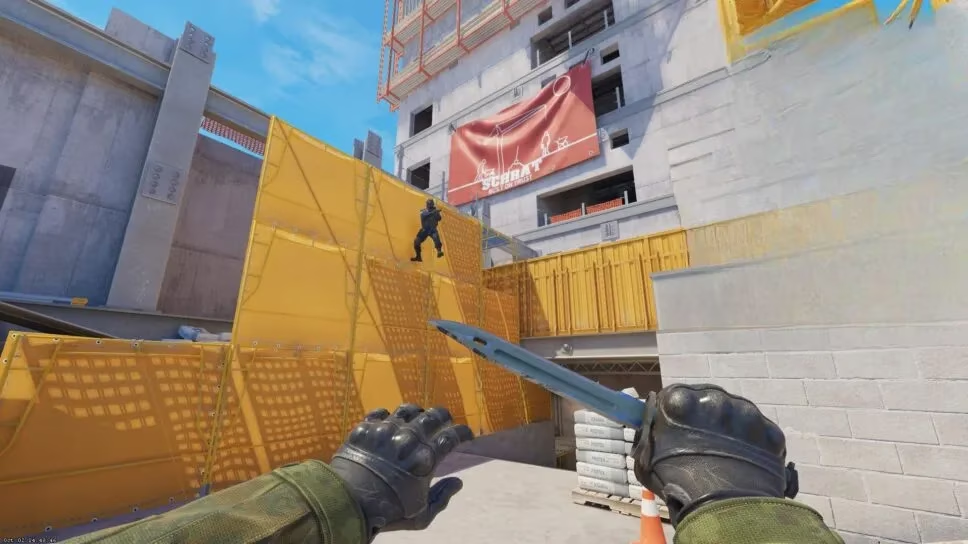
What stuck with me most was not a clutch or a crazy ace. It was ESL’s decision to publish a clear stance on certain pixel boosts and bugs. That might sound dry, but it mattered. CS2 had only been out for a few weeks, and players were already finding odd angles, tiny ledges, and questionable spots that could swing a round. Some of those spots were skill. Some were exploits. ESL wanted a line between the two before the server went live.
The approach was simple: ESL listed illegal pixel boosts and bugs in a public document. The document was open to all players and teams, and ESL said it would receive regular updates. ESL also acknowledged that CS2 was a work in progress and that bugs and issues were to be expected. I liked that honesty. Instead of pretending the game was perfect, ESL treated the tournament like a live environment that needed guardrails. Players and teams could report pixel boosts and bugs to ESL and to Valve, which gave everyone a channel to flag problems instead of arguing about them after a lost round.
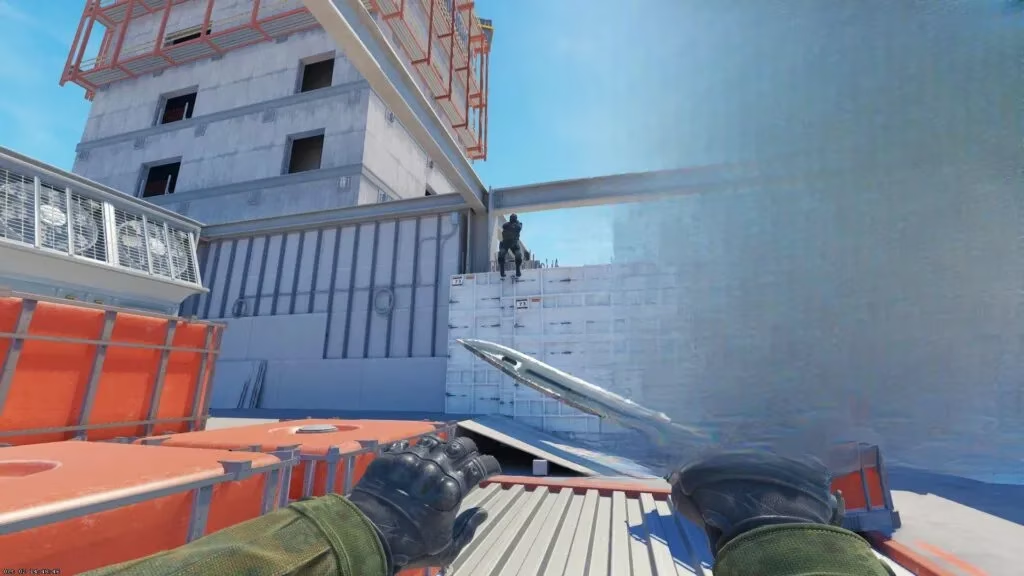
For anyone who does not play at a high level, a pixel boost is exactly what it sounds like. You use a tiny piece of map geometry, sometimes no bigger than a pixel, to gain a view or an angle that was not intended. In CS2, those spots can be the difference between seeing an opponent first and walking into a crossfire. Some are clever. Some are broken. The hard part is deciding which is which, and doing it fast enough that teams are not left guessing.
Here is how I break down what ESL did and why it still matters to me in 2026:
| Area | What happened | Why it mattered |
|---|---|---|
| Timing | CS2 launched just weeks before IEM Sydney 2023 | Teams had little time to learn the game, so unclear rules could have caused chaos |
| Transparency | ESL published a public document of banned pixel boosts and bugs | Everyone could see the same list, which reduced guesswork |
| Flexibility | ESL said the document would be updated regularly | The rules could evolve as players found new spots |
| Communication | Players and teams could report issues to ESL and Valve | Problems had a path to a fix instead of becoming rumor mill material |
| Integrity | ESL accepted that bugs were expected | The event could focus on competition rather than pretending CS2 was flawless |
I have seen plenty of tournaments try to solve new-game problems with vague warnings. That usually backfires. Players want clarity. Coaches want clarity. Fans want to know that a round was won because of a great play, not because someone found a weird ledge before the referee did. The IEM Sydney 2023 document was not glamorous, but it was practical. It said, in effect: here is what we know, here is what we are banning, and here is how you can help us catch the rest.
From my seat in 2026, the exact list from 2023 feels like a snapshot of a messy moment. CS2 has changed since then, and the conversation around pixel boosts and bugs has not vanished. That is why I still think about IEM Sydney. It was an early test of whether CS2 could be treated like a serious esport while still being a game that was clearly unfinished. ESL did not get everything perfect, and I would not pretend otherwise. But the public document was the right instinct. It put fair play ahead of secrecy.
If I were running a tournament today, I would borrow that instinct. Publish the list. Update it. Let teams report problems. Explain what counts as a bug and what counts as a skill. Do not wait until a controversial clip goes viral. The best time to solve a pixel boost problem is before it decides a map.
So yeah, IEM Sydney 2023 was more than the first Tier 1 CS2 event. For me, it was a lesson in how to handle a new game with old competitive values. Clarity beats chaos. A public list beats a private argument. And a tournament that admits the game has bugs is stronger than one that pretends it does not. 🎯