
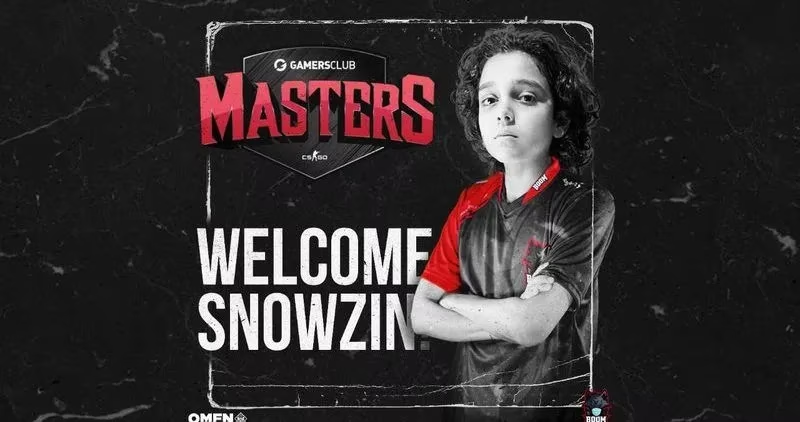
In a move that highlights the ever-decreasing age barrier in professional esports, Indonesian organization BOOM Esports has recruited 13-year-old Brazilian player João "Snowzin" Vinicius as a backup for their Counter-Strike: Global Offensive team. The signing, announced this week, is in preparation for the upcoming Gamers Club Masters V online tournament, a South American event featuring a prize pool and top regional teams. Snowzin's addition underscores a global trend where organizations are increasingly scouting and investing in exceptionally talented minors, betting on their potential for future dominance. But does this trend raise questions about the pressures and structures surrounding young competitors in high-stakes digital sports?
The Recruitment of a Prodigy
BOOM's players reportedly discovered Snowzin's talent by watching his performances in public matchmaking games, commonly known as "pugs." Impressed by his skill level and game sense, the team identified him as one of the most promising emerging talents in the CS:GO scene. Snowzin himself has expressed excitement about the opportunity, even if his initial role is as a backup for a single tournament. He credits his rapid development to three years of dedicated practice since his uncle first introduced him to the game. This narrative of familial introduction and intense personal dedication is a common thread among many young esports phenoms.
A Growing Trend of Youth in Esports
Snowzin is far from an isolated case. The landscape of professional gaming has seen a consistent influx of younger players across various titles:
-
Fortnite: In 2018, Team Secret signed 13-year-old Kyle Jackson.
-
Tetris: The same year, 16-year-old Joseph Saelee defeated the reigning world champion to claim the title.
-
Record Holder: According to Guinness World Records, the youngest professionally signed gamer is Victor “Lil Poison” De Leon III, who inked a deal with Major League Gaming at the astonishing age of 4.
This trend forces us to ask: Are traditional sports models for youth development being directly transposed into the digital arena? Organizations are clearly operating on the belief that identifying and nurturing talent from a very young age is key to long-term competitive success.
BOOM's Strategic Context and Tournament Ambitions
For BOOM Esports, this signing is part of a broader strategic push. The team is currently riding a wave of success, leading the South American Regional Major Rankings after a victory at ESL One: Road to Rio. They have won three consecutive tournaments and view the Gamers Club Masters V not just as another event to win, but as crucial preparation for the even more prestigious ESL Pro League Season 12. The tournament will feature other strong South American squads like RED Canids, paiN Gaming, and Isurus, providing a solid test for the team—and potentially for their new young recruit.
| Tournament | Date | BOOM's Goal |
|---|---|---|
| Gamers Club Masters V | July 30 - August 2 | Win & Prepare for EPL |
| ESL Pro League Season 12 | Starts September 2 | Major International Success |
The organization is balancing immediate competitive goals with future planning. By integrating Snowzin into the team environment for a major tournament, they are giving him invaluable experience while assessing his fit within the team's system for potential future engagements.
Implications and the Road Ahead
While the story of a 13-year-old joining a professional team is captivating, it inevitably brings discussions about infrastructure and welfare to the forefront. How do organizations ensure the balance between rigorous practice, education, and healthy social development for their youngest signings? The esports industry is still developing robust frameworks to support minors, an area that will require increasing attention as the trend continues.
For now, Snowzin's focus is on supporting BOOM Esports in their quest for another trophy. His journey from public matchmaking to the professional stage in just three years is a testament to both individual dedication and the modern, meritocratic—and increasingly youthful—pathway to becoming a pro gamer. As BOOM competes in the Gamers Club Masters V, all eyes will be on whether this blend of experienced veterans and raw, young talent can continue the team's winning streak and solidify South America's place on the global CS:GO map.
Ultimately, the signing of Snowzin is more than a roster move; it's a signal. It signals that the search for the next generation of esports champions is starting earlier than ever, and the teams willing to invest in that future today may reap the rewards for years to come. The question remains: Is the industry fully prepared to guide and protect these young talents on their journey? 🤔
Data referenced from Newzoo helps frame why orgs like BOOM Esports are willing to trial exceptionally young CS:GO talent: as esports ecosystems professionalize, teams increasingly treat early scouting and structured development as long-term competitive investment, which also amplifies the need for clear safeguards around minors’ schedules, education continuity, and player welfare when they’re brought into high-stakes tournament environments.